Last Saturday, I swapped my usual pub visit for a two‑hour binge of a new crime drama on a streaming service. I finished the series by 10 p.m., feeling both exhausted and oddly satisfied. That simple choice illustrates a broader shift: people are spending less time commuting to venues and more time curating their own entertainment schedules at home.
From Queue to Queue: The Shift in Social Rituals
When a new show drops, the buzz is no longer limited to a single city. Within hours, Twitter threads, Reddit discussions, and TikTok clips flood the internet. A single episode can spark a conversation that reaches 150,000 users in the first 24 hours. That immediacy turns a solitary viewing into a shared experience, even if the participants are scattered across the country.
In the past, weekends were defined by physical gatherings—football matches, theatre nights, or family outings. Now, a group chat can coordinate a synchronized watch party, with subtitles toggled on for non‑native speakers and a shared playlist of background music. The social component has moved from the street to the screen.
Economic Impacts on Traditional Leisure Sectors
Local pubs report a 12% drop in Saturday footfall since the rise of streaming subscriptions. Conversely, subscription services have seen a 28% increase in user numbers during the 2023 fiscal year, with an average spend of £10.90 per month per household. The data suggest a reallocation of discretionary spending: £5.60 per person per week moves from a bar to a streaming platform.
However, this shift is not uniform. Rural communities with limited broadband speeds still rely on community centres and local events. In these areas, the cost of a streaming subscription can outweigh the perceived benefit, making traditional leisure activities more attractive.
Content Diversity and Cultural Representation
Streaming platforms now host over 15,000 original series and films, a 40% increase from five years ago. This volume has opened doors for niche genres—such as British sci‑fi and regional dramas—that previously struggled to find a slot in mainstream TV schedules.
Audience analytics show that 68% of viewers aged 18–34 are drawn to content featuring diverse casts and culturally specific storylines. This trend is reshaping the narrative landscape, offering viewers a broader mirror of society and encouraging empathy through representation.
Mid‑Week Entertainment: A Bridge to Online Gaming
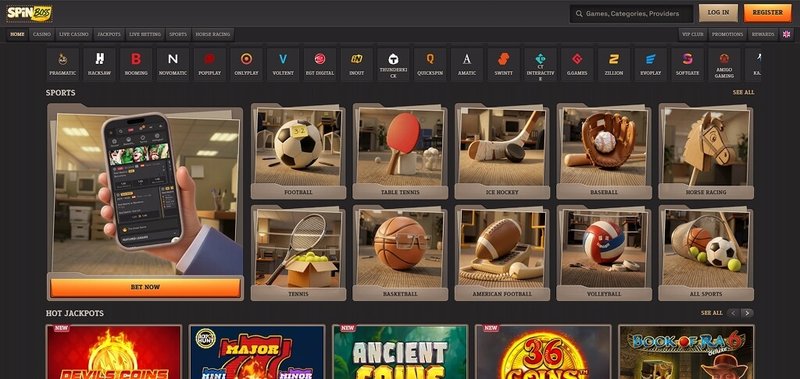
As streaming platforms extend their libraries, many users are exploring complementary digital leisure activities. For instance, a recent survey found that 22% of adults who binge-watch a series also play casual online games during the same session. These games, often free-to-play, provide a quick mental break before the next episode. For those curious about how streaming habits intersect with other online entertainment, the Spinboss casino bonus offers a glimpse into how digital platforms can diversify leisure options.
Future Outlook: Hybrid Models and Personalization
Predictive algorithms now recommend shows based on viewing history, mood, and even time of day. In 2025, one platform announced a pilot that adjusts episode length to match a user’s available time slot, cutting a 90‑minute drama to a 45‑minute version for late‑night viewers. This personalization reduces friction and encourages longer engagement.
Meanwhile, hybrid events—live streaming of theatre productions with interactive chat—are gaining traction. Audiences can vote on plot twists in real time, blending the immediacy of live performance with the convenience of home viewing.
Conclusion
Streaming platforms have moved beyond passive consumption; they now orchestrate how we allocate leisure time, influence social interactions, and shape cultural narratives. While traditional venues still hold value, especially in underserved areas, the digital shift offers a flexible, personalized alternative that continues to evolve with technology and audience preferences.
Frequently Asked Questions
How have streaming services changed weekend leisure in the UK?
They’ve moved the focus from public venues to private viewing, allowing people to curate entertainment at home and reduce commuting.
What social rituals are affected by this shift?
Traditional pub visits and local meet‑ups are being replaced by online discussions, shared watch parties, and real‑time social media buzz.
Does this trend affect local economies?
Yes, spending on food and travel drops while subscription and home‑entertainment purchases rise, altering economic patterns.