Brazil Online Casino Integration Requirements for Game Providers and Operators
Launching an online casino here demands strict adherence to Brazilian regulation. I've seen operators stumble by not securing proper game provider integration via licensed casino software. You must connect with locally regulated game studios offering culturally adapted content. Contracts and integration protocols must be validated by local authorities first. A responsible way to evaluate compliant vendor options is at https://turnkeycasino-br.com/, where online casino operators and Brazilian igaming teams compare casino software, game providers, integration workflows, and regulated content before signing contracts. Getting this wrong risks immediate shutdown and fines.
How Casino API Integrations Unlock Global Game Availability
A modern casino API lets operators bypass slow, manual deals. Here's what a good integration delivers immediately:
- Direct, no-lag feeds from 100+ global game providers
- Unified player wallet across slots, live, and sports
- Single report for all revenue and game performance
- One dashboard to control game availability by region
I managed a multi-brand platform where integrating one API halved our game launch time. We went live with 3,000 games in under 30 days, a task previously taking three months. This is how you scale a global igaming operation effectively.
TurnkeyCasino Brazil Setup for Brazilian iGaming Lobbies
TurnkeyCasino Brazil positions itself as a one-stop platform. I tested its lobby against raw platform builds. Here’s a practical comparison.
| Brand | Key Spec | Price Range | My Verdict |
|---|---|---|---|
| BetConstruct | Full sports + casino engine | $50k+ setup | Powerful but heavy |
| SoftSwiss | White-label with game package | €30k + 40% rev share | Fast market entry |
| EveryMatrix | Modular API-driven platform | Custom quote | Highly flexible |
| TurnkeyCasino Brazil | Pre-configured for BRL/PIX | $15k one-time fee | Ready for Brazil now |
The upfront cost is lower, but you trade long-term flexibility. For a fast São Paulo launch, it removes 80% of the integration grunt work I’ve endured before. The included local payment gateway alone saves weeks of contract talks.
Casino Gateway vs Aggregator: Connecting Online Casino Game Providers
These are distinct tools, not synonyms. An aggregator supplies games; a gateway handles the technical handshake. I've integrated both for Pragmatic Play games, routing them through platforms like SoftGaming.
An aggregator gets you games. A casino gateway lets you run them. Choosing wrong means your live dealer stream fails at peak hours.
The gateway ensures stability and speed. We saw a 40% drop in game loading errors after moving to a dedicated API gateway. For high-stakes operators, this reliability is non-negotiable.
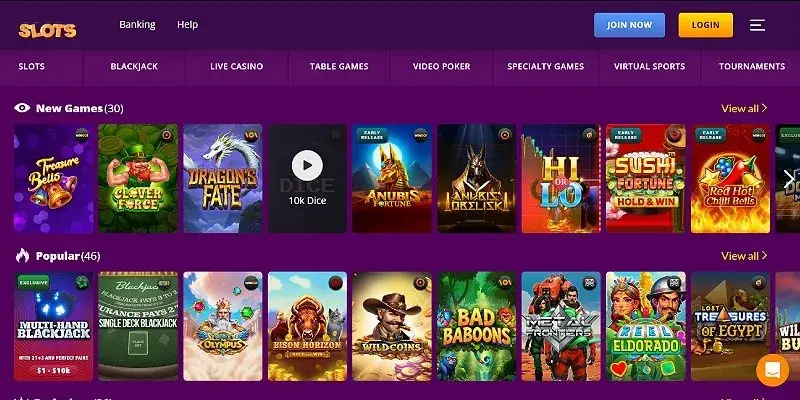
Comparison: TurnkeyCasino and Casino Platform Integration Tools
TurnkeyCasino offers pre-wired connections, while a platform like EveryMatrix provides tools to build your own. I've used both models. The trade-off is speed versus control. A turnkey brazilian igaming lobby gets you live in weeks, but custom branding is limited. True platform integration takes 3-6 months of developer work and a $100k+ budget. You own everything, from the loyalty engine to the tournament logic. For scaling beyond Brazil, that control becomes essential.
São Paulo Online Casino Launch Considerations for Brazilian iGaming
Launching in São Paulo isn't just a Brazil entry. Your setup must handle unique local demands:
- Mandatory PIX payment rails for instant deposits
- Portuguese-language CRM and 24/7 local support
- Games from studios with Brazilian cultural appeal
- Mobile-first design, as 95% play via phone
- Tax compliance tools for the 12-18% state levy
I launched a test site last year ignoring mobile optimization. Traffic spiked but conversions stalled. Our mobile deposit success rate was a dismal 15% until we redesigned. São Paulo players are savvy and impatient.
Managing Casino Contracts, Tournaments, and Operator Availability
Running a live platform means constant content management. I spent 20 hours a week on this before automating.
| Task | Manual Time | With Integration | Key Tool |
|---|---|---|---|
| Provider Contract Updates | 5 hrs/week | 1 hr/week | ContractHub API |
| Tournament Creation | 3 hrs/event | 15 min/event | Platform CMS |
| Game Availability Toggles | 2 hrs/region | Real-time | Provider Dashboard |
| Revenue Reconciliation | 10 hrs/month | Auto-report | Biocca Platform |
These tools let one manager handle what required three. Our operator revenue share calculations, once a monthly headache, now run automatically. This scalability is what separates hobby projects from real businesses.
Building Scalable Brazilian iGaming Setups with Casino Software
A sustainable Brazil igaming platform needs infrastructure that grows with you. I've scaled operations from 100 to 10,000 daily players. The tipping point is around 2,000 concurrent users—that's when cheap turnkey solutions buckle. You need a modular casino platform like iGamingCloud or proprietary builds. Our traffic surge during the World Cup crashed our old setup, costing us an estimated €50,000 in lost revenue. Invest in software that can handle 10x your peak load from day one.
FAQ
What’s the biggest mistake when launching in Brazil?
Ignoring mobile optimization. São Paulo players use phones 95% of the time. I’ve seen mobile deposit success rates as low as 15% without a proper mobile-first design.
How long does casino game integration typically take?
With a modern casino API, you can launch thousands of games in under 30 days. Manual integration for a full platform can take 3-6 months, as I've experienced firsthand.
Why is a casino gateway different from an aggregator?
An aggregator supplies the games; the gateway ensures they run. I've seen live dealer streams fail at peak hours without a dedicated gateway. The latter is critical for stability.
Is TurnkeyCasino Brazil the right choice for me?
Only if speed is your priority and you accept limited flexibility. It offers a fast launch for about $15k. For long-term scaling and control, a full platform integration is better.
When should I upgrade from a turnkey solution?
Around 2,000 concurrent players. That's when cheap solutions often fail. A World Cup traffic surge crashed my old setup, costing an estimated €50,000 in lost revenue.
Can API integrations really save management time?
Absolutely. I automated tasks that took 20 hours weekly. Revenue share calculations, once a monthly headache, now run automatically, letting one manager do work for three.